
Thinking of starting a hardware business in Kenya? Discover the costs, permits, suppliers, profit margins, and practical tips you need to launch a successful hardware shop in Kenya today.
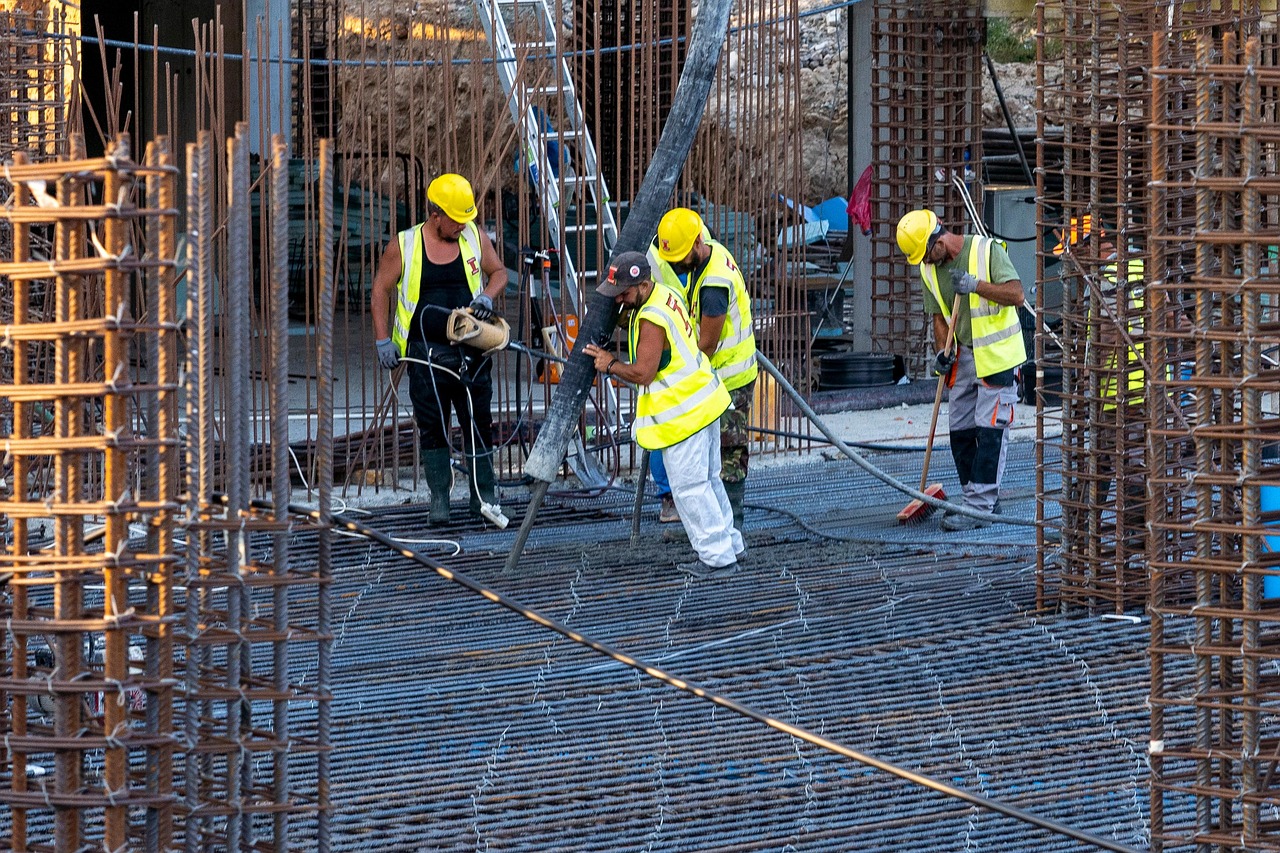
Starting a hardware business in Kenya can be one of the most rewarding ventures. Construction never stops, whether it’s individuals building homes, real estate developers putting up rentals, or the government working on roads, schools, and hospitals. Almost every project requires hardware materials, which makes this business constantly in demand.
Hardware products range from basic construction items to specialized industrial equipment. Some of the common products include:
– Construction materials: cement, sand, ballast, building stones, hardcore
– Fasteners & fittings: nails, nuts, bolts, washers, hinges, padlocks, door locks
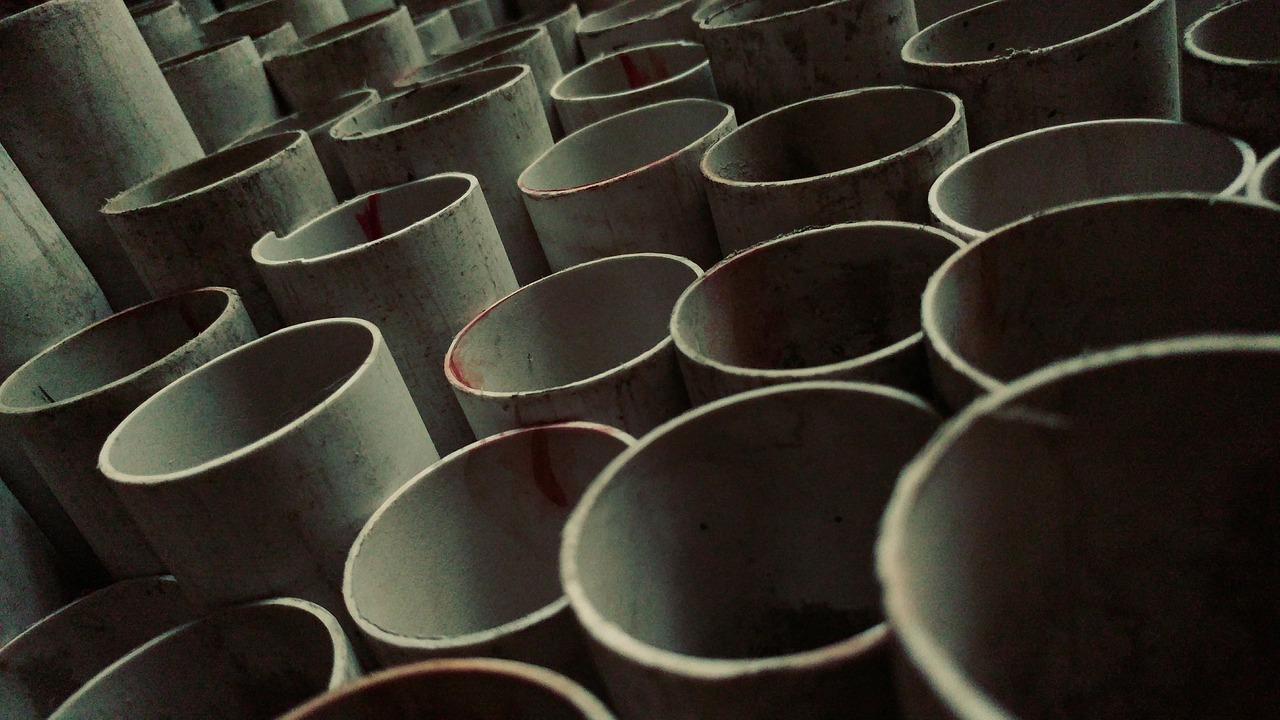
– Plumbing & roofing supplies
– Tools & equipment: spades, hammers, wheelbarrows, tape measures, metal bars
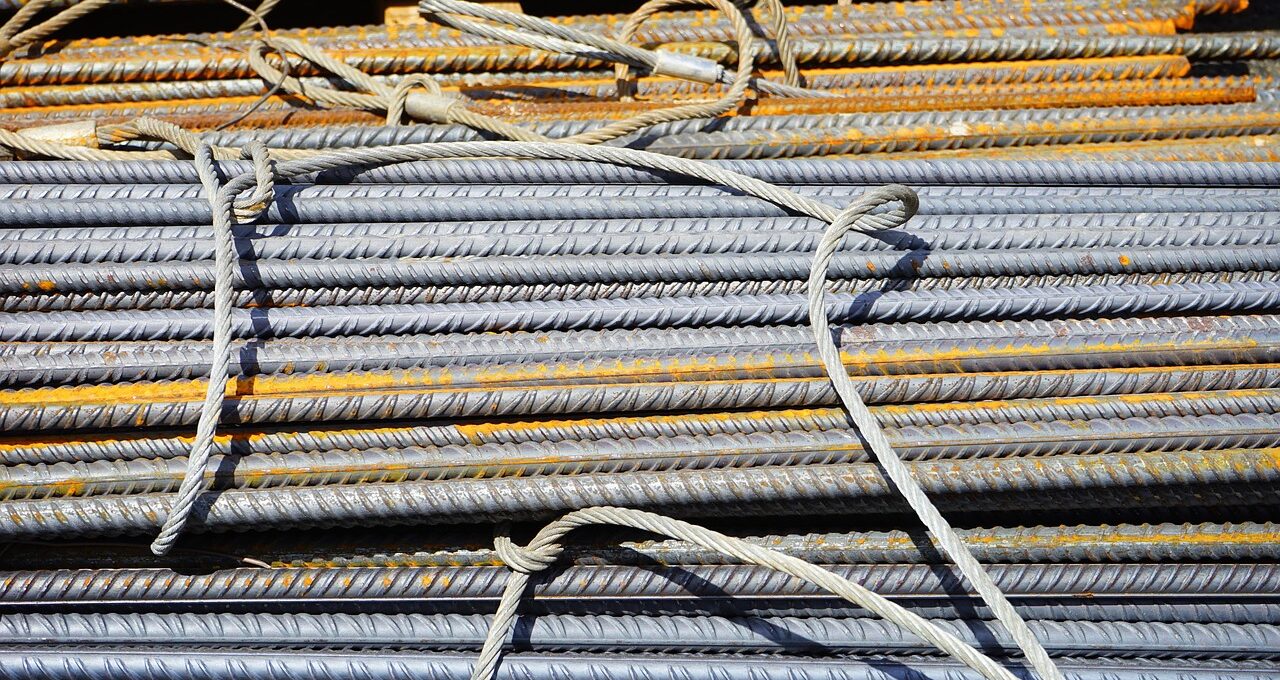
– Timber & metals: MDF boards, iron sheets, steel rods, plates, and more
If you’re considering this path, here’s a breakdown of what you need to set up and run a successful hardware business in Kenya.
1. Business Registration & Permits
Registering your business is the first step to credibility. A registered hardware business gives customers confidence that they are dealing with a legitimate and trustworthy entity. It also protects you from unnecessary legal issues and positions you to bid for larger projects, including government tenders.
1.Registration can be done with eCitizen under the Business Registration Service.
2.County governments charge business permits ranging from KES 2,500 to KES 35,000 depending on your location and business size. If you are in Kisumu, you may check with the Kisumu County Government revenue department.
3. Ensure you have all compliance documents, including a KRA PIN, and pay taxes faithfully, legitimacy is profitable in the long run.
2. Choosing the Right Location
Location is everything in the hardware business.
– High population areas such as Nairobi, Kisumu, Mombasa, Nakuru, Eldoret provide more opportunities due to ongoing housing projects and infrastructure development.
– Being close to construction sites can save customers transport costs, making your shop their go-to.
– Avoid oversaturated areas; instead, target developing estates or town centers with potential growth.
– Visibility matters—hardware businesses placed on busy roads or near markets attract more walk-in clients.
3. Storage & Security
Good storage and tight security are crucial.
– Cement should be stored in a dry, elevated place (on pallets) to avoid absorbing moisture.
– Iron sheets, timber, and steel should be stored neatly on racks for easy identification and to prevent damage.
– Invest in security measures: a night guard, reputable security firms like KK security , Riley Falcon Security Services and many others or CCTV cameras. While this adds to costs, it prevents theft and reassures bulk buyers that their goods are safe.
4. Hiring the Right Staff
Your staff can make or break your business.
– They should know hardware products by name, size, and use to avoid costly mix-ups.
– Knowledgeable and honest staff save you from losses through theft or mistakes.
– Physical strength is also an advantage since much of the work is manual.
– Good customer service skills encourage repeat clients and word-of-mouth referrals.
If you hire fresh staff, pair them with someone experienced in the industry to shorten the learning curve.
5. Finding Reliable Suppliers
Reliable suppliers ensure consistency and quality.
Don’t just look at prices, focus on quality, reliability, and after-sales support. Compare multiple suppliers before settling, and ask key questions:
• Do they deliver on time?
• Do they accept returns for damaged items?
• Can they offer flexible payment options or credit after building trust?
Some of the top suppliers and manufacturers in Kenya include:
– Bamburi Cement
– Devki Steel Mills
– Jumbo Steel
– Crown Paints
Building strong relationships with suppliers helps you negotiate better deals, which increases your profit margins.
6. Startup Costs & Profit Margins
Starting a hardware business requires significant capital investment. On average:
– Small hardware shop (Ksh 500,000 – 1.5M): Can stock essentials like cement, nails, sand, ballast, and basic tools.
– Medium-sized shop (Ksh 2M – 5M): Can stock a wider variety including roofing, timber, plumbing, and electrical items.
– Large-scale operation (Ksh 10M+): Offers a full range of products, delivery trucks, and credit lines for contractors.

Profit margins vary depending on products:
– Cement: 5–10% per bag
– Steel & metal bars: 8–12%
– Paints & finishing products: 15–25%
– Tools & equipment: up to 30%
Well-run hardware stores can generate steady monthly profits once customer loyalty and supplier relationships are established.
7. Challenges to Expect
Like any business, running a hardware shop has its challenges:
– High initial capital requirement
– Price fluctuations in cement, steel, and fuel affecting transport
– Competition in urban areas
– Theft or stock mismanagement
– Customers demanding credit facilities
However, with good planning, record keeping, and customer relations, these challenges can be managed successfully.
Final Word
The hardware business in Kenya is highly profitable if well planned. It requires significant capital, attention to detail, and strong relationships with suppliers and clients. With proper registration, a strategic location, good storage and security, the right team, and reliable suppliers, you can build a thriving business that meets Kenya’s ever-growing construction needs.
Are you ready to take the bold step? The demand is there,your success will depend on how prepared you are. Good luck!
If you found this article helpful and need more help in setting up a hardware business, please contact us.


Leave a Comment