

Thinking about going off-grid in 2026? Well, that’s not a bad idea at all. With electricity costs skyrocketing and power reliability becoming more uncertain, many households in Kenya and across Africa are considering the switch to solar energy.

Relying on the national grid alone can be frustrating, especially when blackouts strike at the most inconvenient times. Whether you’re tired of inflated bills or simply want a more sustainable lifestyle, going solar gives you the freedom and peace of mind that your power is always within your control.
But here’s the big question: how much does it really cost to go off-grid?
The Investment: What to Expect
Solar power may be free once installed, but the initial investment is not cheap,especially for a sizeable household with several electrical appliances. Depending on your needs, you should budget anywhere between KES 300,000 to KES 500,000 for a complete setup in 2026.
This cost generally covers:
– Solar panels
– Solar batteries
– Inverter and charge controller
– Wiring and cabling
– Change-over unit and accessories
– Miscellaneous installation costs
Sample Solar Energy Quotation
- 4pcs Solar Panels 360W – KES 21,600 × 4 = 86,400
- 4pcs Solar Battery (Chloride Exide RITAH) – KES 32,000 × 4 = 128,000
- Inverter Charger (Chloride Exide 2KVA) – 40,000
- Charge Controller 60A – 6,000
- Automatic Control Unit – 25,000
- 30m Solar Cable (16.0mm²) – KES 400 × 30 = 12,000
- Miscellaneous (lugs, clips, screws, tapes, etc.) – 3,000
- Total Material Cost = KES 300,400
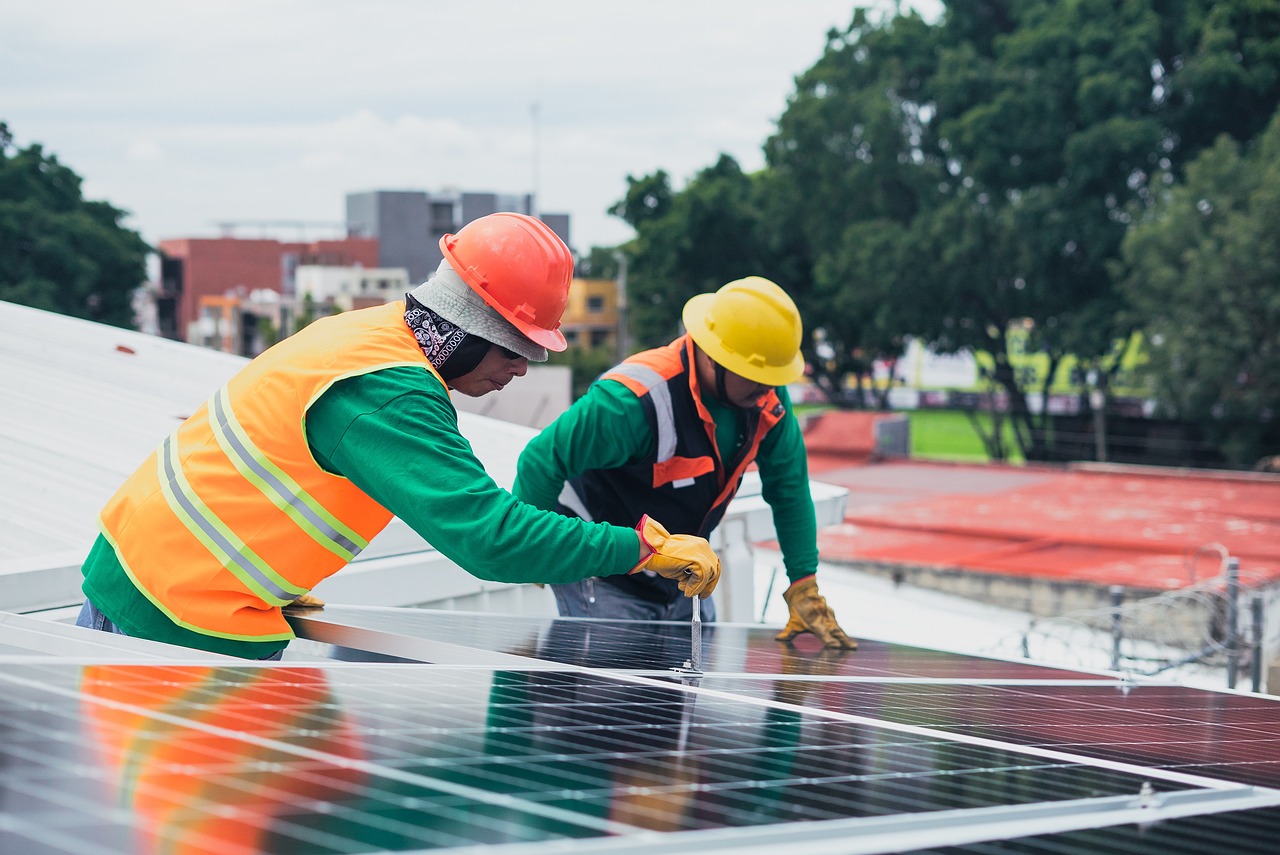
Note: Prices may vary depending on location and supplier. Transport and labor costs are not included, so the final figure may be slightly higher. This gives you a rough idea of what to expect if you plan to go fully off-grid in 2026.
What to Consider Before Going Off Grid in 2026.
1. Your Energy Needs and Usage
Start by asking: how much power does my household consume?
– List all major appliances—TVs, fridges, freezers, cookers, pumps, Wi-Fi, and lighting. Hisense products relatively consumes less power.
– Estimate daily usage in kilowatt-hours (kWh).
– Plan for the future: if you’re expanding your house, buying bigger appliances, or starting a business at home, factor that in.
If this feels overwhelming, get a professional to do an energy audit. An expert can guide you to avoid underestimating your needs. Companies like Chloride Exide Kenya are professionals in this field can be of great help.
2. Solar Suitability in Your Location
Not all areas are equally suitable for solar. For instance:
– Sunny regions like Kisumu, Turkana, and Mombasa are excellent for solar.
– Colder, rainy regions like Kericho or Nyeri may need larger setups to compensate for reduced sunshine.

If you’re building a new home, ensure your roof is angled correctly, avoids excessive shading, and can handle the weight of panels.
3. Cost Options and Financing
The total cost depends on whether you’re going fully off-grid (independent from electricity supply) or using a hybrid system (solar + Kenya Power backup).
Solar companies in Kenya now offer flexible credit facilities like from Equity bank, MKOPA, D light Solar and others. While these can make solar affordable in the short term, loans often become expensive in the long run. Weigh the benefits and risks carefully.
Also, check government regulations and permits. In Kenya, the solar industry is regulated, and working with licensed technicians ensures your system is both safe and compliant. Find more information from EPRA Kenya.
4. Service Provider Reputation, Reliability, and Warranty
This is where many homeowners go wrong. Choosing the wrong provider can mean:
– Low-quality panels that fail in a few years
– No warranty when batteries collapse
– Poor customer service when you need urgent repairs
Before committing, check reviews and testimonials, past projects, warranty terms, and whether the company offers after-sales support.

Why Go Off Grid in 2026?
Apart from reducing your electricity bills, solar power gives you,
– Energy independence – No more worrying about blackouts.
– Sustainability – Eco-friendly and renewable.
– Peace of mind – Your home keeps running even when the national grid fails.
– Resale value – Homes with solar installations often fetch higher prices in Kenya’s real estate market.
Final Word
Going off-grid in 2026 is no longer a luxury, it’s becoming a smart choice for many Kenyan households. While the investment may feel heavy at the start, the long-term savings and reliability are worth it.
Take time to evaluate your power needs, location, financing, and service provider before making the move. Do your due diligence, work with a trusted technician, and don’t cut corners.
And if you’re still unsure where to start, feel free to reach out, we’ll be happy to guide you through the journey of transitioning to solar power. Kisumu electronics hub can be of great help to you. Find more information also from other experts like Jesaton Systems.
Going solar is not just about saving money. It’s about securing your family’s future.
If you need more help or information about going off grid, please contact us.


Leave a Comment