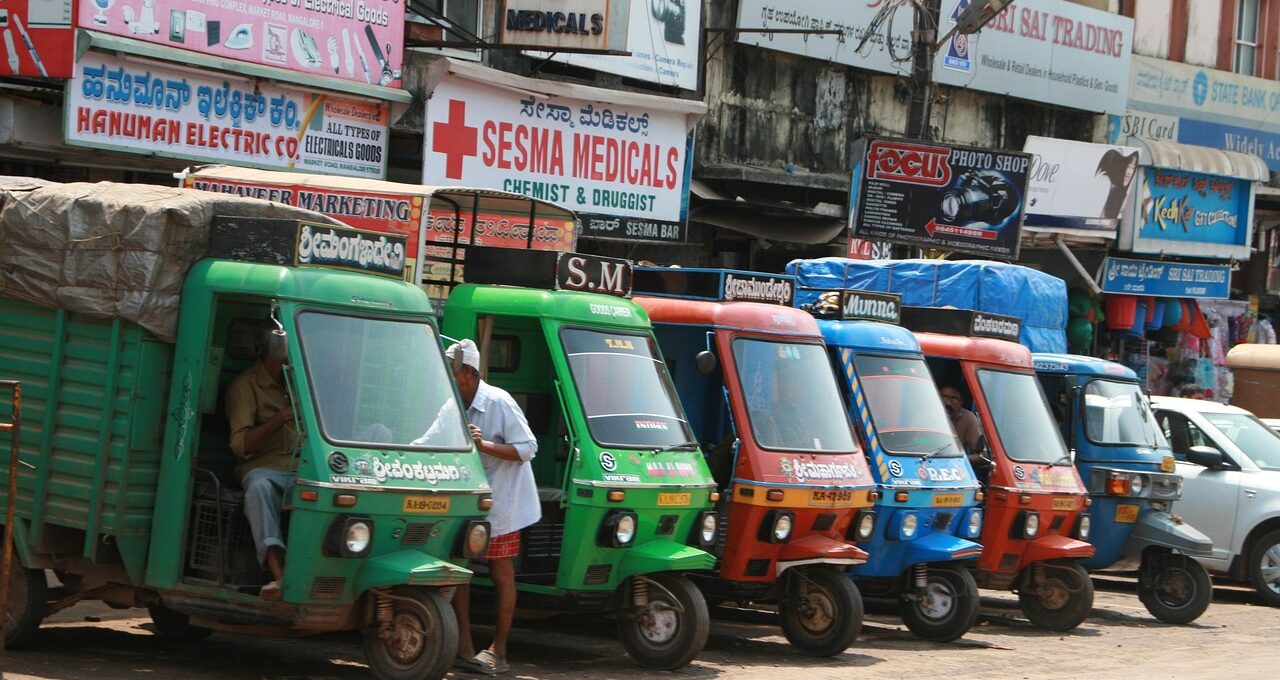

Discover the opportunities in Kenya’s boda boda and tuk tuk business, daily income, job creation, and growth potential despite challenges.
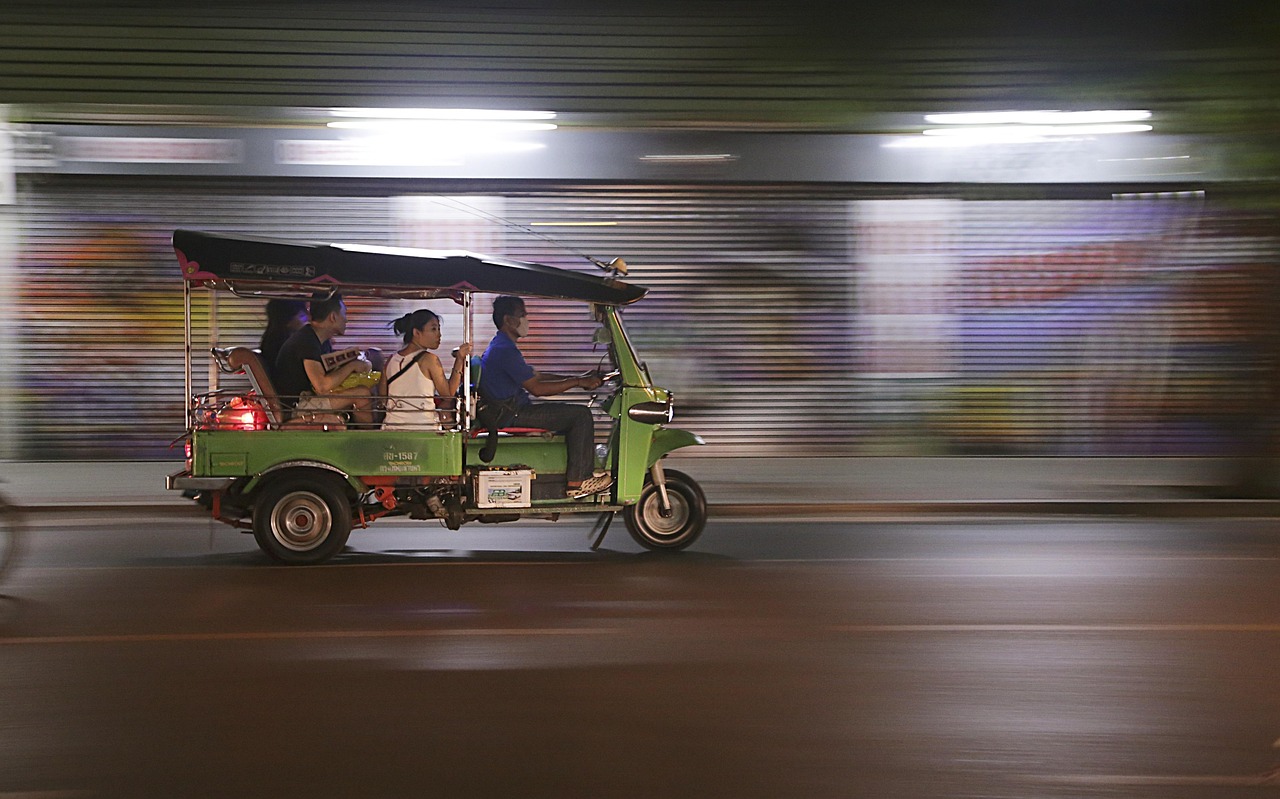
Walk through Kisumu, Mombasa, or Nairobi on a busy morning and you’ll see it. Boda bodas weaving through traffic and tuk tuks shuttling people from stage to stage. A boda boda is motorcycle transport, while a tuk tuk is a three wheeler used for short trips and light deliveries.
With formal jobs hard to find, especially for young people, this sector has grown rapidly, attracting both graduates and non-graduates. Crowded as it is, it still offers daily income, flexible hours, and real opportunity for those who run it like a business. This article breaks down how the trade works, where the money is, and what it takes to succeed.
Why the Boda Boda and Tuk Tuk Business is Popular in Kenya
High Demand for Short Trips
Most Kenyans rely on quick, affordable transport to move between estates, markets, and workplaces. Boda bodas and tuk tuks fill this gap by reaching areas where matatus and buses can’t go.
With new housing developments often built away from main roads, the need for short connections to bus stages and matatus continues to grow. This last-mile service makes the business popular and reliable.
Low Entry Barrier
Starting a business can be challenging, but in this sector, the initial capital for a boda boda or tuk tuk is relatively low compared to other ventures.
With access to loans, hire purchase, or SACCO support, many young people can get started. For instance, a motorcycle currently costs between KSh 120,000 and 170,000, while a tuk tuk ranges from KSh 400,000 to 600,000.
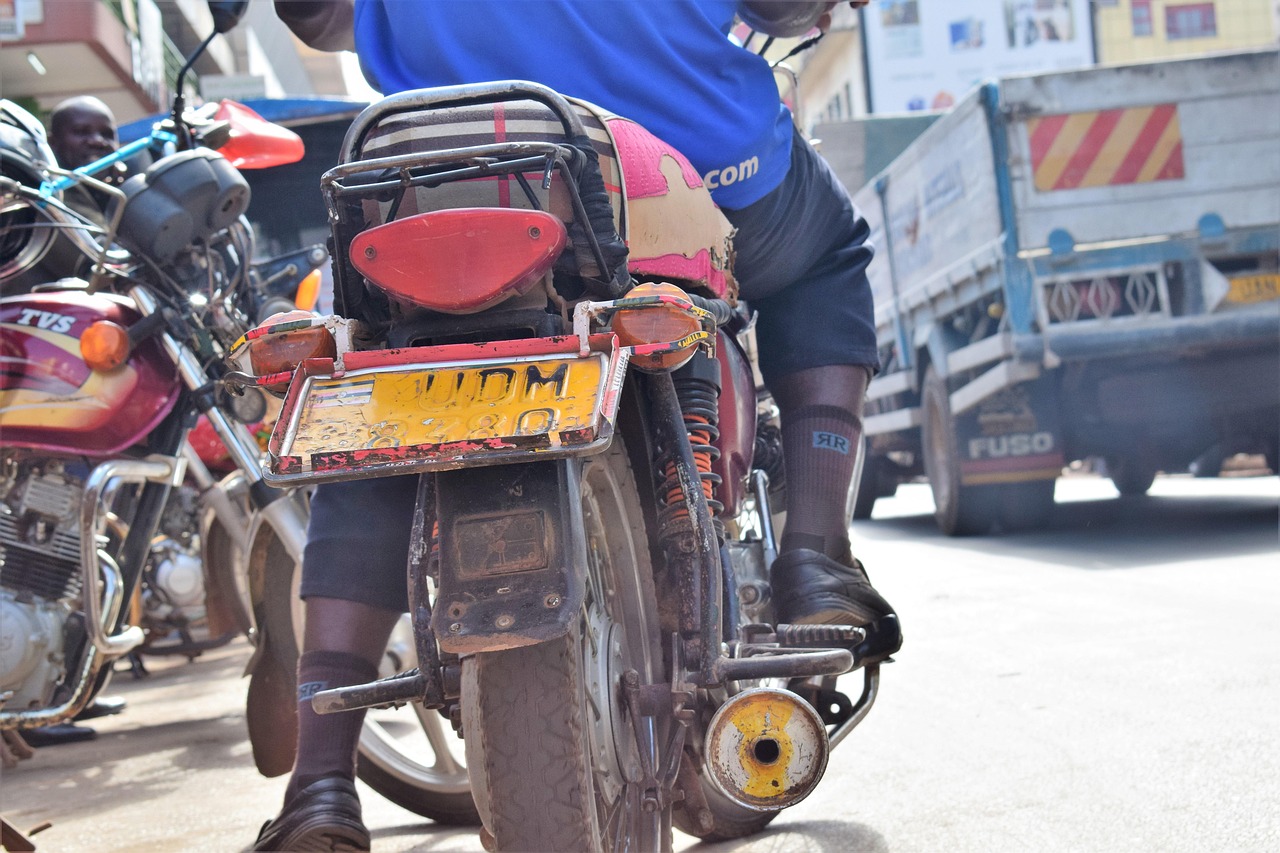
While these amounts may look out of reach, services like hire purchase and SACCOs make ownership easier. Often, an investor only needs about 10% of the total cost as a deposit, and the rest can be paid in instalments. Some companies even offer electric motorcycles, like the SPIRO bike, for a deposit as low as KSh 9,000.
Daily Cash Flow
One of the biggest advantages of this business is the guarantee of daily income. Unlike formal jobs that pay monthly, operators earn every day, making it possible to handle bills, buy food, and still save. For those with loans, daily earnings make repayments easier and less stressful.
With discipline and an investment mindset, many riders save enough to buy additional units and employ others, turning a single hustle into a growing venture.

Employment Creation
Kenya’s youth face stiff competition for the few formal jobs available. The boda boda and tuk tuk industry has become a lifeline, offering opportunities to both educated and non-educated young people. The benefits extend beyond riders, the industry fuels demand for spare parts, garages, fuel stations, microfinance institutions like MOGO Kenya, WATU Africa, Tugende and SACCOs, creating a ripple effect that supports many other businesses.
Flexibility and Independence
Many riders value the freedom that comes with this business. They set their own hours, decide when to hustle harder, and even combine transport with delivery services. This flexibility allows them to rest, spend time with family, or pursue other income streams, freedom that is often missing in formal employment.
Beyond Passenger Transport: Diversification
Over time, boda bodas and tuk tuks have become more than just passenger transport. With the growth of e-commerce and food delivery apps, many riders now engage in parcel and food delivery.like Glovo, Bolt and G4S.
Businesses are increasingly relying on them for affordable last-mile delivery solutions. This diversification makes the industry even more sustainable and profitable, proving it’s not just about carrying passengers.
Challenges in the Boda Boda and Tuk Tuk Business
1.High Competition
The sector is heavily saturated, with boda boda stages and tuk tuk routes everywhere. Standing out requires professionalism, good customer service, and sometimes diversifying into less saturated areas such as delivery.
2. Fuel and Maintenance Costs
Rising fuel prices and the constant need for servicing and spare parts can eat into profits. Operators who manage their finances well, and maintain their vehicles properly, often enjoy better long-term returns.
3. Safety Concerns
Safety remains one of the biggest challenges. Road accidents are common due to speeding, poor training, or lack of safety gear. Additionally, insecurity issues and misuse of the sector by a few rogue individuals have at times tainted its image. Riders who invest in training, proper licenses, and safety equipment not only protect themselves but also build trust with passengers.
From One Bike to a Fleet
What makes this sector exciting is the potential for growth. Many successful transport companies started with just one boda boda or one tuk tuk. With consistency, discipline, and vision, a rider can expand to owning a fleet, employing others, and eventually running a structured transport business.
Conclusion
The boda boda and tuk tuk sector remains one of the most profitable ventures in Kenya. With the right training, permits, discipline, and customer care, it’s possible to succeed where many have already thrived. Whether you’re looking for a daily income hustle or a long-term investment that can grow into a company, this industry offers a pathway. As long as Kenyans need affordable transport and delivery solutions, boda bodas and tuk tuks will continue to thrive.
if you found this article helpful and need more information on more opportunities available in this sector, please contact us.


Leave a Comment